
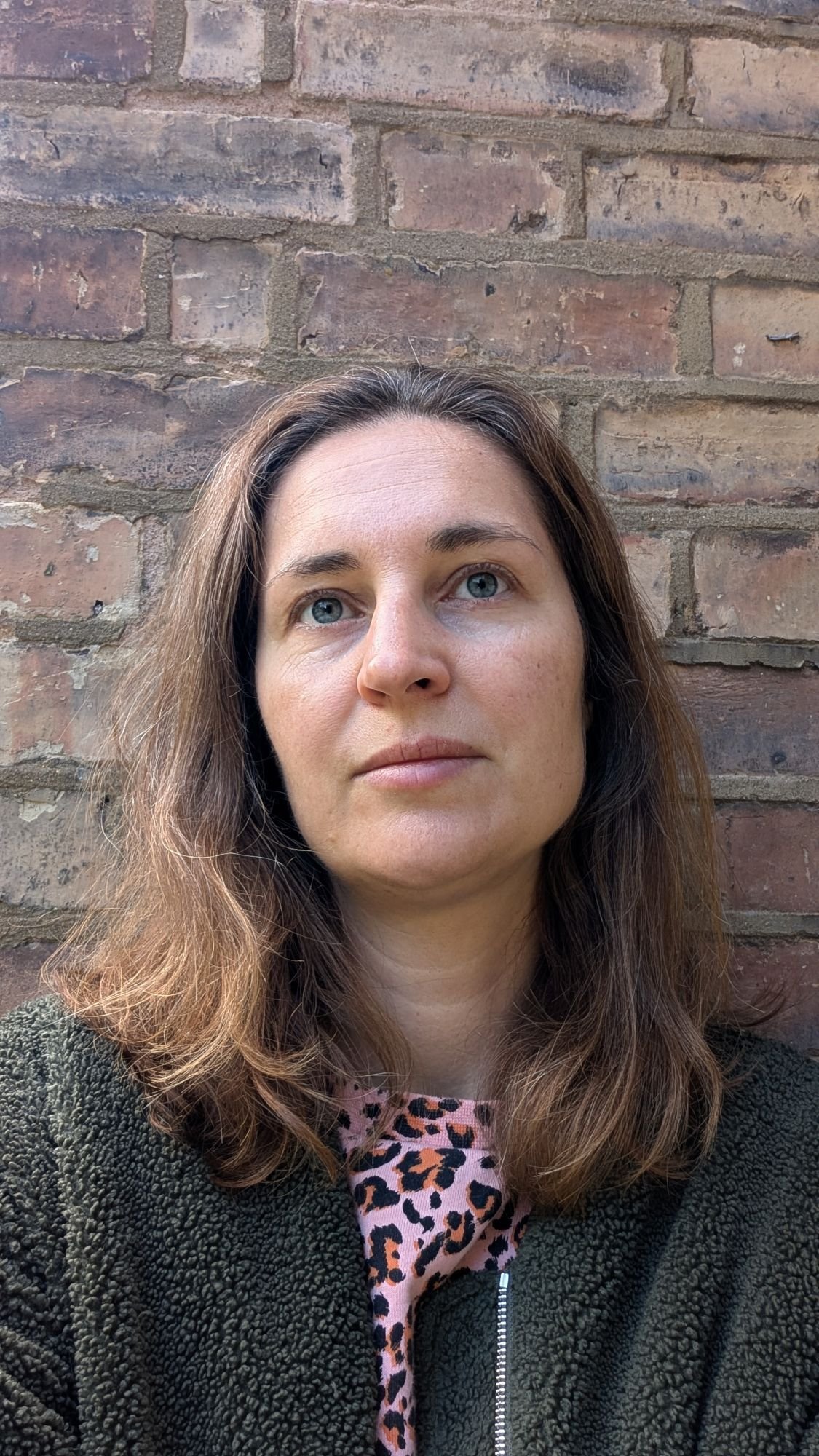
Alison Wallis
Barnet, London
MEng CEng MICE MIStructE


Alison set up Weave to apply structural engineering the way she believes it should be done — with careful thought, genuine collaboration, and a focus on buildings that already exist and have a life worth preserving.
After 20+ years in the industry, she wanted the freedom to work closely with clients, understand what really matters on each project, and bring practical, well-considered solutions rather than over-engineered answers.
Below is a little about Alison's journey in the engineering industry....
Career History
Alison started her career in the southwest of England over 20 years ago before moving back to London in 2011. Throughout this time, she has honed her engineering knowledge across a variety of sectors and building materials, including: several new build and refurbishment projects in the residential, commercial and domestic sector, as well as art installations and design of CLT structures.
In recent years, with the onset of the building safety regulator, Alison has played a key role in several cladding remediation projects, bringing structural support to the teams to navigate the Gateway processes. Her knowledge of building typologies has also transferred to preparing Structural Risk Assessments for High Risk Buildings.
Through this time Alison has developed a real passion for existing buildings and intricate structures, where the design constraints and scope for engineering flexibility lead to rewarding results.
Award winning project
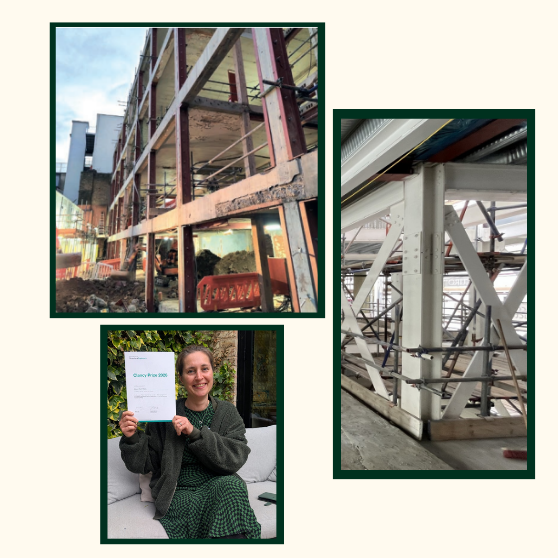
Alison played a key role in the transformation of the Mary Ward Centre in Stratford, delivering the structural refurbishment and vertical extension of an existing 1970s concrete frame to create a new educational facility.
The project’s success was driven by detailed early-stage investigations to fully understand the capacity of the existing frame and foundations. This enabled maximum reuse of the retained structure, minimising new structural intervention and allowing the addition of two lightweight steel-framed floors.
The scheme included strengthening the existing roof slab and introducing new stability cores to support the increased height, delivering an affordable, low-carbon solution for the client. By extending the life of the original structure rather than replacing it, the project achieved significant embodied carbon savings.
The exposed structural frame and stripped-back finishes celebrate the relationship between old and new, making the building’s evolution clearly visible while reducing material use and cost.
The project has received major industry recognition, including a RIBA London Award, an Institution of Structural Engineers Structural Awards and a Civic Trust Award. Alison was also awarded the Clancy Prize for her technical paper on the project.